
MOUTHGUARDS
Protecting Your Mouth While You Have Fun
Imagine losing one or two of your front teeth or chipping them. Knowing how to prevent injuries to your mouth and face is especially important if you participate in organized sports or other recreational activities. Mouthguards, also called mouth protectors, help cushion a blow to the face, minimizing the risk of broken teeth and injuries to your lips, tongue, face or jaw.
Imagine losing one or two of your front teeth or chipping them. Knowing how to prevent injuries to your mouth and face is especially important if you participate in organized sports or other recreational activities. Mouthguards, also called mouth protectors, help cushion a blow to the face, minimizing the risk of broken teeth and injuries to your lips, tongue, face or jaw.

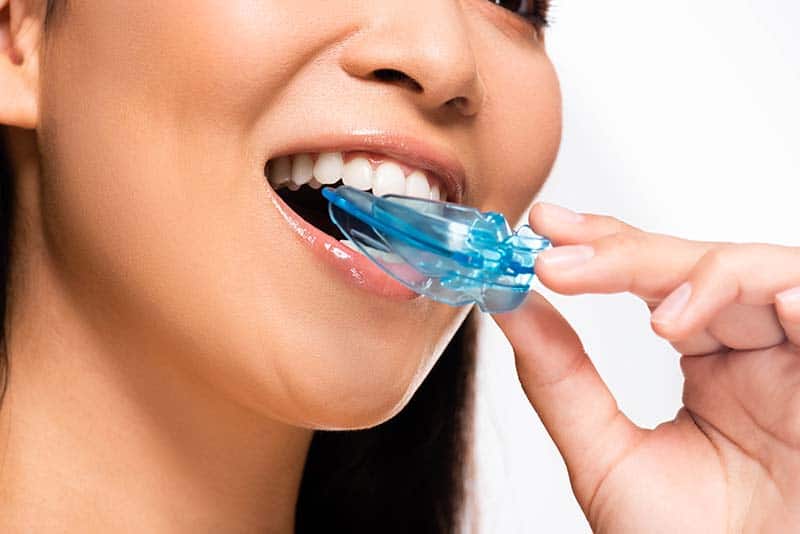
Mouthguards are dental devices that typically cover the upper teeth to protect the soft tissues of your tongue, lips and cheek lining. A mouthguard protects your teeth, tongue, gums and cheeks from trauma caused by teeth grinding or sports injuries. Mouthguards are an important part of a child’s dental care. Not only do they protect teeth from injury, but they can also help prevent concussions. In fact, mouthguards are so important that many schools now require them for all athletes.
Types Of Mouthguards
There are three types of mouthguards: the stock type, which is a pre-made guard that fits most mouths; the boil-and-bite type, which is made from a soft plastic that is boiled in water and then fitted to the mouth; and the custom-made type, which is made by a dentist specifically for the child’s mouth.
All three types of mouthguards work well in protecting teeth from injury. The custom-made mouthguard is the best type because it fits the child’s mouth perfectly and provides the most protection. However, the stock and boil-and-bite types are also good options and are less expensive than the custom-made mouthguard.
If a child does not like wearing a mouthguard, he or she can try a few different types to find one that is comfortable. It is important to make sure that the mouthguard fits properly because a poorly fitting mouthguard will not provide adequate protection.
Reasons To Wear A Mouthguard
Who Should Wear A Mouthguard
A child should wear a mouthguard during any activity that can lead to face or mouth injury even if the regulations do not require it. Mouthguards should be worn during all contact sports, such as football, hockey and lacrosse. They should also be worn during any activity where there is a risk of falling or being hit in the mouth, such as skateboarding or bicycling.
The American Dental Association (ADA) recommends wearing a mouthguard for basketball, baseball, soccer, wrestling and volleyball. Do mouthguards work? The ADA estimates that athletes who don’t wear mouthguards are 60 times more likely to suffer dental injury than those who do.
Caring For Mouthguards
If your child wears a mouthguard, their daily oral hygiene routine should include mouthguard care and cleaning. To keep your child’s mouth guard healthy and clean, follow these steps: